

What is a steel beam (I-beam)?


Complete Guide to Steel Beams: The Backbone of Metal Structures
What is a steel beam?
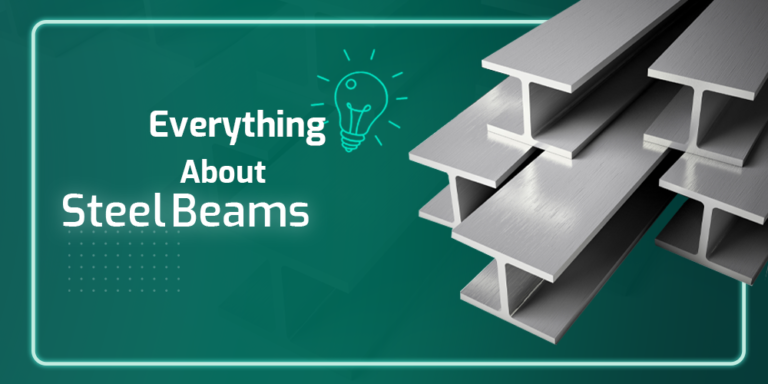
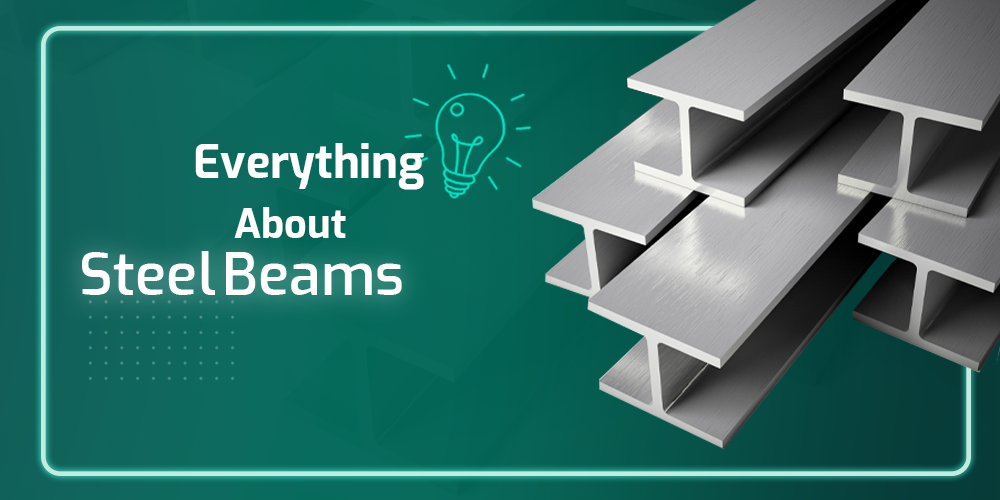
A steel beam is one of the most important and widely used steel components in construction and civil engineering projects. This metal section is usually produced in I or H shapes, and its main function is to bear and transfer bending and tensile loads within structures. Steel beams are typically used horizontally in floors and roofs, or vertically as columns in steel frameworks.
Why are steel beams important?
If we compare a building to the human body, steel beams act as the backbone. Wherever weight-bearing, pressure resistance, or load transfer is needed, steel beams come into play. Their high strength, long lifespan, and suitability for large projects make them an ideal choice.
Types of steel beams by shape and use
IPE Beam (European Standard)
• Parallel flanges
• Most common type in Iran
• Uses: building frameworks, roofs, industrial sheds
INP Beam (Chinese/Russian Standard)
• Sloped flanges
• Lower strength compared to IPE
• Uses: temporary or lightweight structures
IPB / HEB Beam (Wide-Flange Beam)
• Wider flanges with a shorter web
• Suitable for columns, bridges, and heavy-load structures
• Excellent compressive strength
Castellated Beam (Honeycomb Beam)
• Web contains hexagonal openings
• Lighter weight but lower load-bearing capacity
• Suitable for light structures or routing installations
Standards and sizes
Beams are produced based on their web height (e.g., 12, 14, 18, 20, 24 cm). The production standards include:
• DIN 1025 (Germany)
• BS EN 10034 (Europe)
• ISIRI 1791 (Iran)
• ASTM A36 (USA)
Raw materials for steel beams
Steel beams are made from structural steel with controlled chemical composition. Common grades include:
• ST37: medium tensile strength, used in buildings
• ST52: high strength, suitable for heavy structures and sheds
Steel beam production process
• Heating steel billets up to 1200°C
• Primary and intermediate rolling to create the initial beam shape
• Final rolling and forming to set precise dimensions
• Cutting and cooling
• Quality control of dimensions, weight, thickness, and internal structure
Advantages and characteristics
• High load-bearing capacity and tensile strength
• Fast installation and easy execution
• Suitable for high-rise structures
• Recyclable and environmentally friendly
• Long service life in harsh conditions
Applications
• Steel building frameworks
• Roofs, floors, and joists
• Bridge and industrial structure construction
• Sheds, cranes, docks
• Towers, tunnels, and platforms
Important points when buying steel beams
• Check production standard and actual size
• Compare weight with the Stahl Table
• Choose reputable brands (Esfahan Steel, Fayco, Arian Steel, etc.)
• Inspect appearance (no bending or corrosion)
• Request certificate or chemical analysis for sensitive projects
Reputable producers in Iran
• Esfahan Steel Company (Zob Ahan): oldest, export-grade quality
• Arian Steel, Alborz Steel, Fayco Mazandaran
• Shahin Bonab, Alborz Iranian Steel
Conclusion
Steel beams are the core of building strong and safe structures. Understanding their types, technical features, and proper use helps engineers and contractors choose the best option in terms of cost and durability. In construction, choosing a high-quality steel beam means choosing safety and reliability.