

The effect of bending and cutting of rebars on their performance in concrete structures


An Engineering Perspective on Reinforcing Bar Bending and Cutting: Technical Effects on Structural Strength and Durability
⸻
Introduction
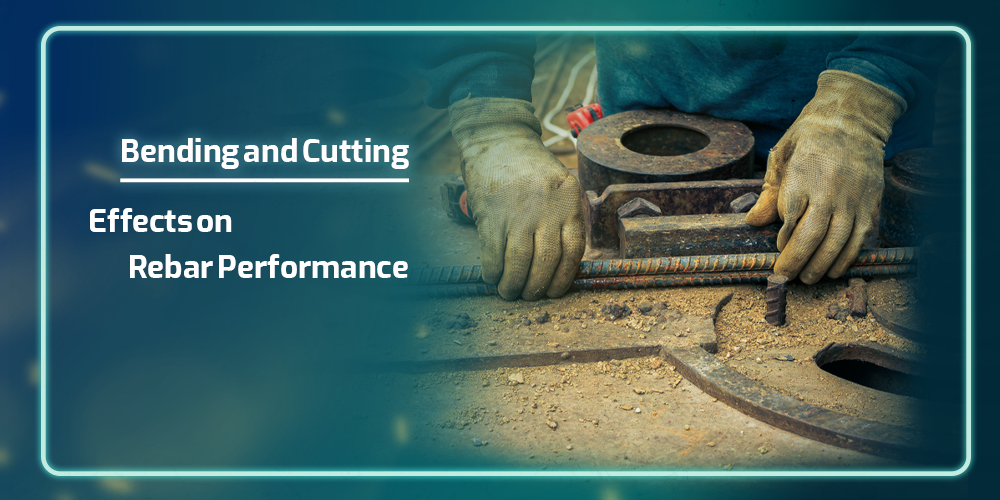
Reinforcing bars (rebar), as the primary reinforcement in concrete structures, must be bent and cut precisely according to engineering design principles. The manner in which rebar is bent and cut directly affects its mechanical behavior under applied forces, particularly during earthquakes, dead and live loads, and thermal stresses. Improper execution of these operations can lead to reduced tensile strength, cracking, decreased bonding with concrete, and ultimately compromise the safety of the structure.
⸻
1. Importance of Proper Rebar Bending and Cutting
Rebar is bent in various ways for use in columns, beams, foundations, or shear walls:
-
90° or 135° bends for stirrups
-
Hooks at the ends of longitudinal bars
-
Spiral or diagonal bends at beam-to-column connections
If performed with non-standard tools, excessive force, high temperatures, or incorrect methods, rebar can suffer mechanical weakness and internal microcracks.
⸻
2. Negative Effects of Improper Bending and Cutting
| Type of Damage | Cause of Improper Execution | Effect on Structure |
|---|---|---|
| Local cracking | Bending with a very small radius | Reduced tensile strength and risk of rupture |
| Altered metal structure | Bending using high heat | Loss of elasticity and ductility |
| Poor concrete bonding | Rough cuts or unprotected ends | Reduced friction and incomplete force transfer |
| Accelerated corrosion | Exposed bent or cut areas | Increased vulnerability to moisture |
⸻
3. Standards for Rebar Bending and Cutting
According to national and international codes (e.g., Iran’s National Building Regulations, ACI, BS):
-
Minimum bend radius: should not be less than a specified multiple of the bar diameter (e.g., for #12 rebar, at least 4–5 times the diameter)
-
Prohibition of heating bars for bending: heating alters steel structure and causes brittleness
-
Use of mechanical cutters or CNC machines: to prevent cracks and uneven edges
-
Bending at ambient temperature, except for special alloys
-
Surface crack inspection after bending
⸻
4. Methods to Improve Bending and Cutting Quality
-
Use of automatic or manual bending machines with proper radius
-
Use of specialized rebar saws or industrial guillotines for clean cuts
-
Visual inspection of bends and cuts for cracks or deformation
-
Maintaining proper bending clearances in rebar layout design, especially at critical points such as beam-to-column joints
⸻
5. Effects on Seismic Performance
During an earthquake, the highest forces act on connections, bends, and end hooks of rebar. Weakness in these areas can lead to sudden structural failure or deep cracks in concrete. Proper bending ensures correct force transfer, concrete integrity, and ductility at critical moments.
⸻
Conclusion
Although bending and cutting rebar may seem like simple tasks, they are among the most sensitive steps in reinforced concrete construction. Neglecting technical principles can jeopardize the safety of the entire building. Engineers, contractors, and construction teams must adhere to standards to prevent structural damage and ensure long-term durability and safety.