

Recycling Iron and Returning It to the Production Cyrcle


A Path Toward a Sustainable Economy and Green Industry
Introduction
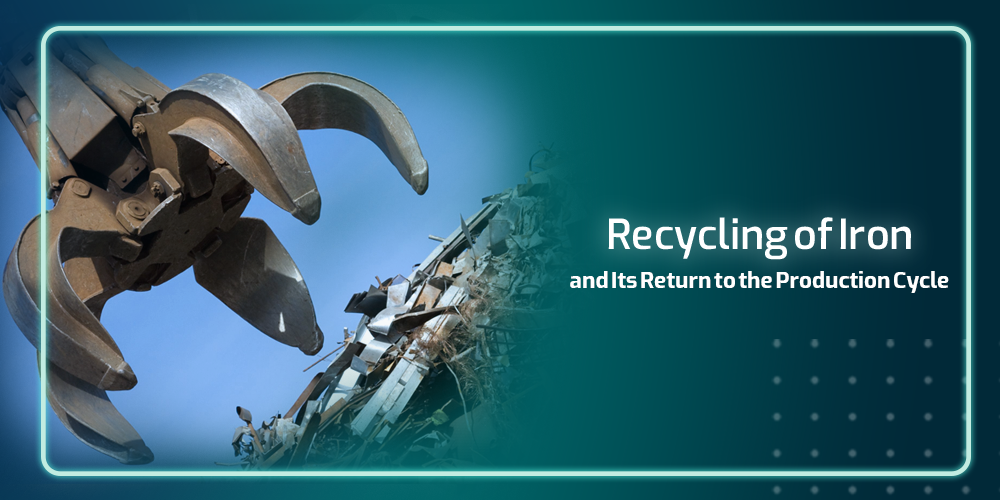
Iron is one of the most widely used metals in the world, essential across industries ranging from construction to automotive manufacturing, household appliances, and infrastructure. With such high demand, recycling iron is not only an environmental necessity but also an economically smart solution for supplying raw materials to the steel industry. Recycling iron reduces the need for natural resources, saves energy, decreases pollution, and supports the circular economy.
1. Why Is Iron Recycling Important?
Advantage – Explanation
• Conserving natural resources: Reduces the need for iron ore extraction and prevents land degradation.
• Lower energy consumption: Recycling iron uses about 70% less energy than primary production.
• Environmental protection: Decreases greenhouse gas emissions and industrial waste.
• Economic benefit: Scrap iron is cheaper than raw materials and has high market demand.
• Supporting steel production: The main feedstock of electric arc furnaces.
2. Main Sources of Recyclable Iron
• End-of-life vehicles
• Demolished steel structures (buildings, bridges)
• Worn-out industrial machinery and equipment
• Household appliances (refrigerators, stoves, heaters, etc.)
• Metal shavings and industrial production waste
3. Stages of Iron Recycling
-
Collection
Scrap metal is collected from workshops, factories, scrapyards, and waste centers. -
Sorting and separation
Using magnets, iron is separated from other metals and non-metal materials. -
Shredding
Large pieces are broken into smaller ones to facilitate melting and transportation. -
Melting
Scrap iron is melted in electric arc or induction furnaces. -
Refining and purification
Impurities such as excess carbon, phosphorus, or sulfur are removed to produce high-quality iron or steel. -
Casting and rolling
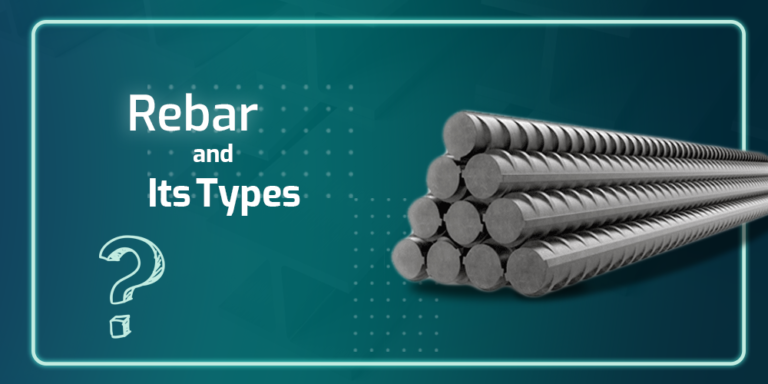
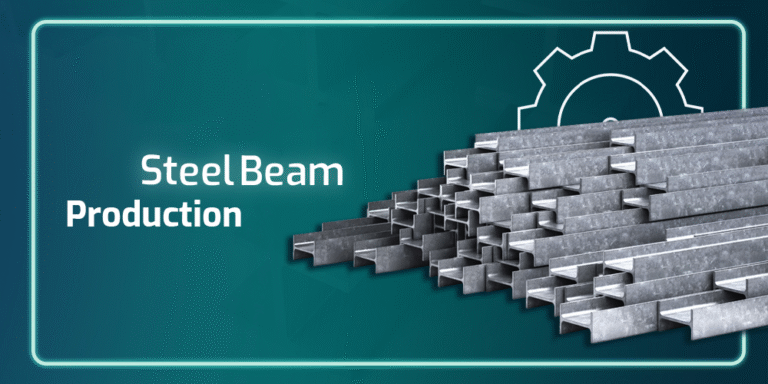
The recycled metal is cast into billets, rebar, sheets, or beams and reintroduced into the market.
4. Types of Scrap Iron in the Recycling Industry
Type – Characteristics – Use
• Heavy melting scrap (HMS): Thick, industrial pieces → heavy steel production
• Light scrap: Thin sheets and shavings → light or alloy steel production
• Automotive scrap: Contains iron, steel, and other metals → requires precise separation
• Rusty or contaminated scrap: Corroded or degraded → needs additional purification
5. The Role of Iron Recycling in Different Industries
• Steelmaking: The primary consumer of recycled iron for various steel products
• Automotive industry: Recycled steel is used for frames and car bodies
• Home appliance manufacturing: Steel sheets from recycled metal form appliance bodies
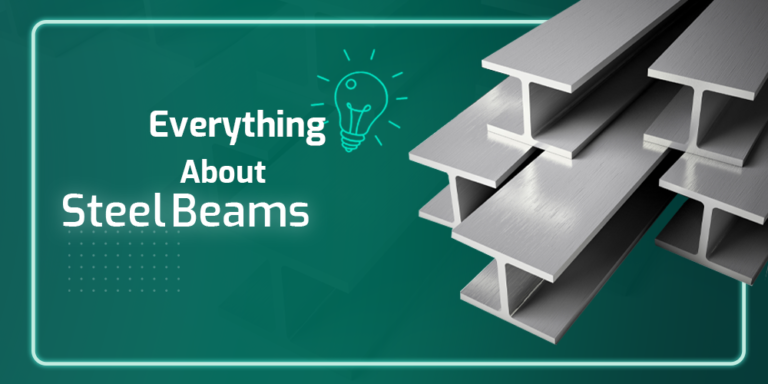
• Construction: Beams, rebar, and plates are produced from recycled steel
6. Challenges in Iron Recycling
Challenge – Proposed Solution
• Contamination or impurities → Advanced separation and refining technologies
• Transportation of bulky scrap → Industrial shredders and compact transport
• Price fluctuations in scrap markets → Establishing regulated trade centers
• Lack of waste separation at source → Public education and municipal support
7. Iron Recycling in Iran
As one of the major steel producers in the Middle East, Iran consumes millions of tons of scrap metal annually. The growth of induction furnace industries and increasing domestic steel production have intensified the need to expand recycling infrastructure.
Conclusion
Iron recycling is not only a way to reduce production costs but also a powerful step toward protecting the environment and preserving natural resources. Through greater public awareness, improved infrastructure, and support for recycling technologies, significant progress can be made toward a circular economy, sustainable development, and a greener industrial future.